When you or a loved one is facing the challenges of addiction or mental health struggles, finding the right path to healing can feel overwhelming. You may be searching for a treatment option that goes beyond conventional methods—something that reconnects you with yourself and the world around you. Wilderness therapy offers a unique, restorative approach that encourages growth, fosters self-confidence, and lays the foundation for lasting recovery.
Here’s how wilderness therapy supports meaningful healing and why it might be the perfect step forward for your recovery.
What Is Wilderness Therapy?
Wilderness therapy is a therapeutic approach that combines outdoor activities with structured counseling to support individuals through emotional, behavioral, and addiction challenges. It takes individuals out of familiar, often distraction-filled environments and immerses them in the natural world. This setting allows participants to focus on developing life skills, self-reflection, and meaningful connections with others and their surroundings.
Why Does Wilderness Therapy Work?
1. Nature Encourages Mindful Reflection
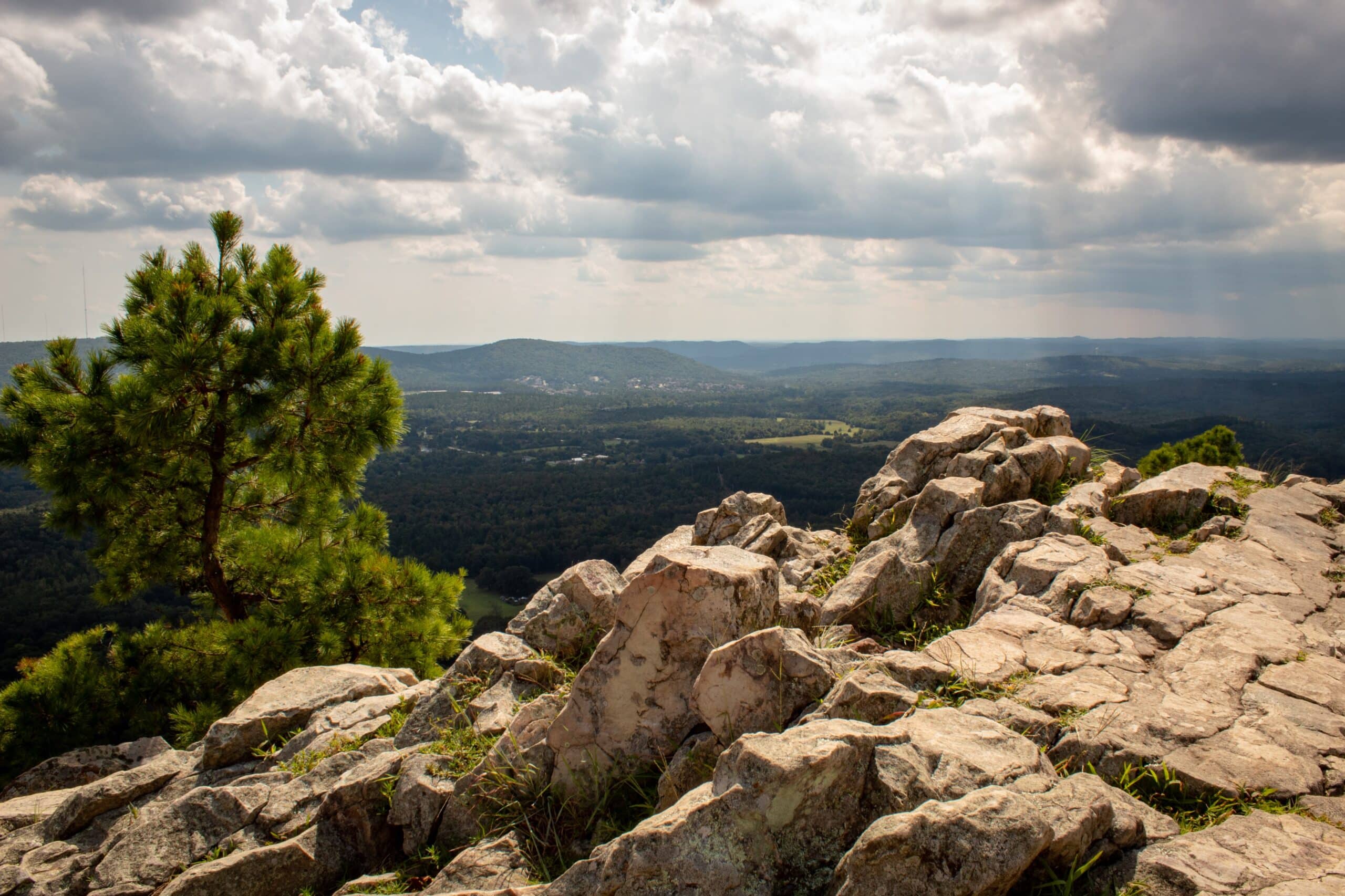
There’s something uniquely calming about being surrounded by nature. The absence of screens, urban noise, and everyday stressors helps participants slow down and process their emotions. Wilderness therapy encourages individuals to disconnect from distractions and reconnect with themselves, fostering a space for mindfulness and personal reflection.
2. Building Resilience Through Challenges
Activities like hiking, camping, and team-building exercises aren’t just recreational—they’re powerful tools for personal growth. Wilderness therapy challenges participants to step outside their comfort zones, building resilience and adaptability. Whether it’s completing a hike or learning to build a fire, these accomplishments reinforce self-confidence and a sense of capability.
3. Fostering Stronger Connections
Spending time in nature with peers and counselors creates an environment of trust and support. Group activities encourage cooperation and open communication, helping participants form meaningful relationships. Through shared experiences, participants realize they’re not alone in their struggles, which is crucial for long-term recovery.
4. Integrating Life Skills for Lasting Change
Wilderness therapy doesn’t just focus on physical activities it teaches valuable life skills. Setting goals, managing emotions, practicing effective communication, and problem-solving are all woven into the experience. These skills empower participants to handle real-world challenges after treatment, promoting sustained recovery.
How Is Wilderness Therapy Integrated at Grand Falls?
At Grand Falls Center for Recovery, our wilderness therapy program is thoughtfully designed to enhance each participant’s recovery experience. Here’s what makes it effective:
Personalized Treatment Plans
We understand that every individual’s needs are unique. Wilderness therapy at Grand Falls is tailored to each participant, considering their personal history, goals, and preferences. Combined with individual counseling, group therapy, and other evidence-based treatments, wilderness therapy becomes a vital part of a holistic care plan.
Expert-Guided Activities
Safety is our top priority, which is why all outdoor activities are led by trained professionals. Our team combines outdoor expertise with therapeutic experience, ensuring that every session promotes both emotional growth and physical well-being.
A Supportive Environment
Healing in nature is complemented by our strong, supportive community. Participants benefit from the camaraderie and guidance of peers and staff alike, helping them feel accepted and empowered as they work toward recovery.
Frequently Asked Questions About Wilderness Therapy
Is Wilderness Therapy Safe?
Yes, wilderness therapy is guided by professionals who are trained in both outdoor safety and therapeutic processes. Activities are carefully planned and supervised to ensure participants’ physical and emotional well-being.
Do I Need to Be an Outdoor Enthusiast to Participate?
Not at all! Wilderness therapy is designed for everyone, regardless of their experience with outdoor activities. The focus is on personal growth and healing, so activities are accessible and tailored to your comfort level.
What Types of Challenges Does Wilderness Therapy Help With?
Wilderness therapy is highly effective for individuals facing addiction, depression, anxiety, trauma, and other mental health struggles. It helps participants develop coping skills, improve self-esteem, and build a strong foundation for recovery.
How Does Wilderness Therapy Fit Into a Broader Treatment Plan?
At Grand Falls, wilderness therapy is one part of a multi-faceted treatment approach. It complements traditional therapies like one-on-one counseling and group support, offering a well-rounded recovery experience.
Take the Next Step Toward Healing in Nature
Choosing a treatment program is a deeply personal decision, and the path to recovery can seem daunting. But at Grand Falls Center for Recovery, you won’t have to face it alone. Our Wilderness Therapy Program provides a unique opportunity to heal within the serene beauty of nature, where every step forward is a step closer to real growth, confidence, and lasting recovery.
Recovery is possible. Your journey starts with one step. Are you ready to take it?