Recovery is a journey that asks us to open up, trust again, and face difficult emotions. For many people working to overcome addiction, breaking through emotional walls can feel impossible—especially in settings that feel clinical or restrictive. If you or a loved one are searching for something different, Wilderness Therapy may provide the fresh start and healing space that you need.
At Grand Falls® Center for Recovery, we believe in meeting people where they are. Wilderness Therapy is one way we help clients reconnect with themselves in a natural setting, encouraging growth, self-awareness, and hope as vital parts of the recovery process.
What is Wilderness Therapy?
Wilderness Therapy is a form of therapeutic treatment that takes place outdoors. It combines traditional, evidence-based therapy with experiential activities led by licensed clinicians. Rather than sitting in an office, sessions might happen while hiking, making a campfire, or participating in group challenges.
More than just outdoor adventure, Wilderness Therapy is structured to help people facing addiction or mental health challenges learn new coping skills, boost self-esteem, and foster healthy connections. Nature gives immediate feedback and creates opportunities to practice trust, communication, and resilience in real time.
How Does Nature Help Break Emotional Walls?
Long-term substance use and mental health struggles can create barriers of shame, fear, or detachment. Wilderness Therapy is uniquely equipped to help individuals dismantle these walls through:
1. Presence and Mindfulness
Nature encourages people to notice each moment as it happens. The sensory experience of moving through a forest or feeling the sun on your skin helps to quiet racing thoughts and anxiety. Engaging with the environment can foster mindfulness—helping clients process big feelings in a safe way.
2. Building Resilience Through Challenge
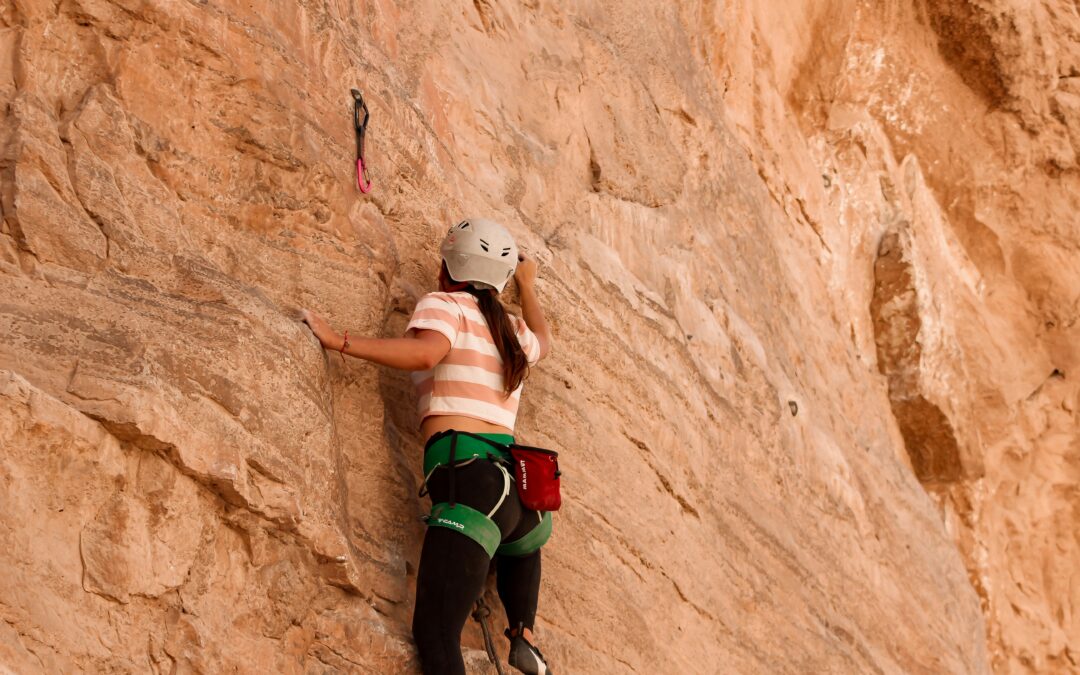
The natural world provides gentle but real challenges: crossing a stream, hiking up a hill, or setting up camp. Meeting these obstacles without turning to old habits like substance use offers immediate, confidence-building victories. This hands-on approach helps clients realize their strength and capacity for resilience, skills essential for ongoing recovery.
3. Encouraging Connection and Teamwork
In Wilderness Therapy programs, much of the work happens in small groups. Activities often require cooperation, trust, and clear communication. By facing shared challenges together—like navigating a trail or preparing a meal—clients learn to support one another and accept help themselves. These experiences can begin to break down feelings of isolation that often come with addiction.
4. Fostering Perspective and Insight
Time spent in nature can inspire awe and a broader sense of context. Watching the stars appear at night or feeling the breeze at the top of a hill can remind us that we are part of something bigger. This perspective can help lessen hopelessness and encourage new ways of thinking about your life or struggles.
Frequently Asked Questions
Do I need to be in great physical shape for Wilderness Therapy?
No. Wilderness Therapy programs are adaptable for a range of physical abilities. The focus is always on therapeutic growth, not athletic performance. Activities are chosen and adjusted to safely include everyone in the group.
Is Wilderness Therapy just for teens and young adults?
No. While Wilderness Therapy is well known for its benefits with young people, it can be life-changing for adults, too. Healing in nature, building resilience, and finding new ways to connect are universal needs for anyone in recovery.
What if the weather is bad during Wilderness Therapy?
Experienced guides and therapists are always present during Wilderness Therapy. They prioritize safety and have contingency plans for severe weather. Adapting to changes in the environment is itself a valuable therapeutic lesson—teaching flexibility and resourcefulness.
Discover a New Path to Healing
If traditional approaches haven’t fully supported your needs, or you’re ready for a new way to understand your recovery, Wilderness Therapy could be the answer. It offers a space to discover strengths you may not have known you had and builds a bridge to a fuller, more connected way of living.
At Grand Falls Center for Recovery, we are committed to helping every person find the right path forward. To learn more about Wilderness Therapy or any of our recovery programs, visit grandfallsrecovery.com or contact us today. Healing, growth, and connection are possible—and you deserve support every step of the way.