
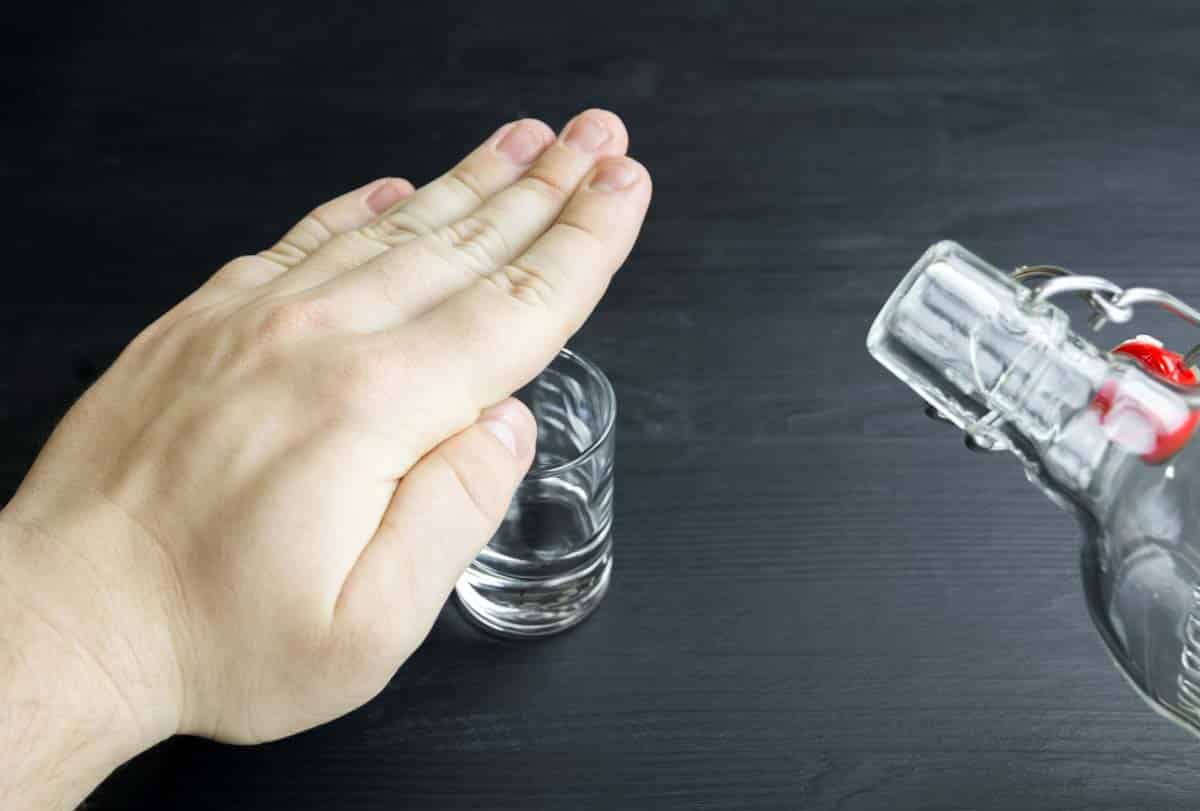
Recovering from alcohol addiction is a deeply personal and challenging process. For many, the journey to sobriety requires support and guidance. However, not everyone has the flexibility to take time away from their careers, studies, or family obligations to commit to inpatient treatment. This is where Intensive Outpatient Programs (IOPs) come in, offering a practical and effective way to achieve and maintain recovery without stepping away from daily life.
If you’re exploring ways to recover from alcohol addiction, this guide will help you understand how intensive outpatient care works, its benefits, and why it might be the right fit for you or a loved one.
What is Intensive Outpatient Care?
Intensive Outpatient Programs are structured treatment plans designed to address the needs of individuals battling substance use disorders, including alcohol addiction, without requiring full-time residency in a treatment facility. Participants typically attend scheduled therapy sessions for multiple hours a day, several days a week. These programs blend the intensity of inpatient care with the flexibility of outpatient treatment, helping individuals sustain their recovery while balancing their day-to-day responsibilities.
IOPs often incorporate elements such as:
- Group Therapy: Facilitated peer discussions foster connection and shared understanding among participants.
- Individual Counseling: One-on-one sessions target specific challenges and build coping strategies.
- Psychoeducation: Learn about addiction, triggers, and strategies for long-term recovery.
- Relapse Prevention Planning: Equip yourself with tools to manage temptations and avoid setbacks.
Unlike traditional outpatient care, IOPs provide a more focused and comprehensive approach, making them well-suited for people who require more support without entering residential treatment.
The Benefits of Intensive Outpatient Programs for Recovering from Alcohol Addiction
Enrolling in an IOP offers several advantages, particularly for individuals committed to their recovery but unable to pause their everyday commitments. Here’s how intensive outpatient care can help:
1. Maintain a Connection to Your Daily Life
IOPs allow participants to continue working, studying, or caring for family members. This flexibility ensures that recovery exists alongside, rather than separate from, real-world responsibilities. It also helps participants apply newly learned coping skills in real time, reinforcing their recovery.
2. Access to Expert Guidance and Peer Support
IOPs provide access to licensed counselors, addiction specialists, and peer support groups. These experts help participants uncover the root causes of addiction, develop healthy coping mechanisms, and build a solid foundation for lifelong recovery. Peer connections help create a community of understanding and accountability, which is key to sustained success.
3. Personalized and Structured Care
Every individual’s path to recovery is different. IOPs are designed to tailor treatment to the unique needs of the participant, offering a combination of therapies and modalities that address their specific challenges and goals.
4. Focus on Relapse Prevention
Preventing relapse is a significant part of recovery, and IOPs dedicate time to helping participants identify triggers, develop healthy habits, and practice techniques that safeguard sobriety.
5. Lower Costs Compared to Residential Treatment
Intensive outpatient care is often more affordable than inpatient treatment, making it accessible to individuals who may not have the financial resources for residential programs. It also reduces additional costs, such as time away from work or childcare.
Who is a Good Candidate for an Intensive Outpatient Program?
While IOPs offer an array of benefits, they aren’t for everyone. Here are a few profiles of individuals who may thrive in an IOP setting:
- People with stable housing and a strong support network at home.
- Those whose level of addiction does not require around-the-clock medical monitoring.
- Individuals motivated to actively participate in their recovery while maintaining daily obligations, such as work or school.
- People transitioning out of inpatient programs who need continued accountability and support.
However, individuals facing severe addiction, withdrawal symptoms, or a lack of support at home may benefit more from inpatient treatment.
Begin Your Journey to Sobriety Today
Recovery isn’t a one-size-fits-all process, and that’s why personalized options like Intensive Outpatient Programs exist. These programs provide a comprehensive way to achieve sobriety while staying connected to your daily life. If you or someone you care about is ready to start on the path to lasting recovery, we’re here to help.
Reach out to Grand Falls Recovery Center today. Our compassionate team of professionals is ready to guide you through the process and help you take the first steps toward a healthier, alcohol-free life.