
When you or a loved one is facing the reality of addiction, one of the biggest barriers to seeking help is the fear of disruption. There is often a worry that entering treatment means putting life completely on hold, pausing a career, stepping away from school, or leaving family responsibilities behind. While taking time away is necessary for some, it is not the only path to healing. Recovery should be about building a life, not escaping it. This is where Intensive Outpatient Drug Treatment (IOP) serves as a vital bridge.
An Intensive Outpatient Program offers a flexible yet structured approach to recovery, allowing individuals to receive high-quality care while maintaining their daily lives. It is a solution designed for those who need robust support but also want the freedom to move forward on their own terms. By integrating treatment into your existing schedule, an IOP empowers you to heal without losing momentum in your personal or professional life.
What Is Intensive Outpatient Treatment?
Intensive Outpatient Treatment, commonly known as IOP, is a level of care that sits between full-time residential treatment and standard outpatient therapy. It is “intensive” because it provides rigorous therapeutic support, typically involving several hours of treatment multiple times a week, but it is “outpatient” because you do not live at the facility.
Unlike residential programs where you stay on-site 24/7, an IOP allows you to sleep in your own bed, eat meals with your family, and go to work or school. It provides a consistent framework of accountability and care, ensuring you have the tools to stay sober while you navigate the real world. This model is often used as a step-down for individuals leaving a residential facility who are ready for more independence, or as a starting point for those with a strong support system at home.
Recovery Without Pausing Your Life
The primary advantage of an Intensive Outpatient Program is flexibility. Addiction often creates a sense of chaos, and the goal of treatment is to restore order and balance. For many adults, responsibilities like a job, childcare, or academic commitments cannot simply be set aside for a month or more.
An Intensive Outpatient Program honors these commitments. Sessions are often scheduled in the evenings or mornings to accommodate work or school schedules. This allows you to:
- Maintain Employment: You can continue to earn a living and support your family while receiving the help you need.
- Stay in School: Students can keep up with their classes, preventing academic setbacks that might add stress to their recovery.
- Support Your Family: Parents can remain present for their children, maintaining household routines and stability.
This integration of treatment and daily life removes the “re-entry shock” that can occur after residential treatment. Instead of being secluded in a bubble of safety and then dropped back into reality, you learn to navigate your reality in real-time, with a safety net of professionals guiding you.
What Happens During an IOP?
While the schedule is flexible, the work done in an Intensive Outpatient Program is profound. The curriculum is designed to address the root causes of substance use and equip you with practical strategies for long-term sobriety.
Group Therapy and Peer Support
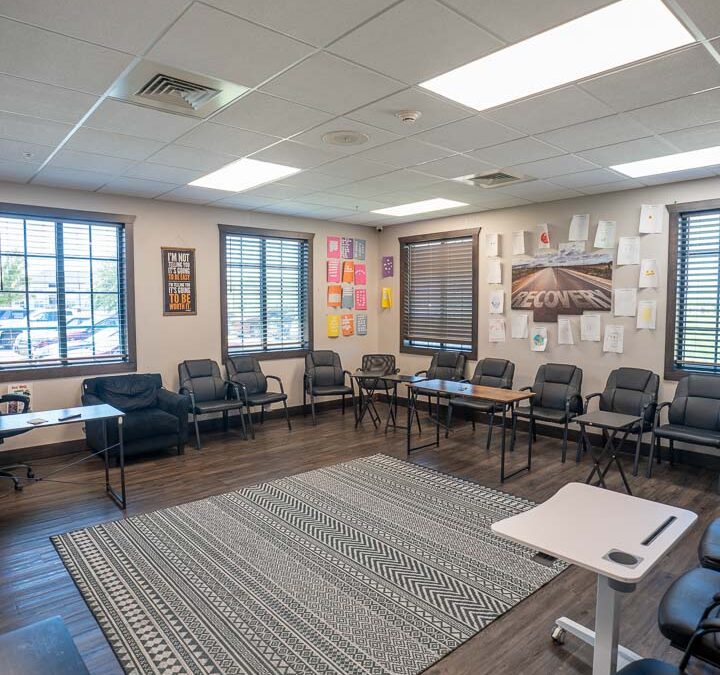
The core of most intensive outpatient programs is group therapy. This provides a unique opportunity to connect with others who are facing similar challenges. In a safe, non-judgmental environment, you share experiences, offer support, and learn from the diverse perspectives of your peers. This combats the isolation of addiction and builds a community of recovery that often lasts long after the program ends.
Individual Counseling
You will also work one-on-one with a therapist to explore personal triggers, past trauma, or co-occurring mental health conditions like anxiety or depression. These sessions provide a private space to work through issues that you may not feel comfortable sharing in a group.
Skill-Building for the Real World
IOPs focus heavily on relapse prevention and life skills. You will learn how to:
- Identify and manage triggers.
- Communicate effectively and set boundaries.
- Cope with stress without substances.
- Rebuild trust with loved ones.
Because you are living at home, you can apply these skills immediately. If you face a stressful situation at work on Tuesday, you can bring it to your therapy group on Wednesday, discuss how you handled it, and receive feedback. This “real-time” learning is incredibly effective for building lasting resilience.
Is an Intensive Outpatient Program Right for You?
Intensive Outpatient Program is an excellent option for many, but it requires a certain level of stability. It is best suited for individuals who:
- Have a safe, supportive, and sober home environment.
- Do not require medically supervised detoxification.
- Are motivated to participate in their recovery.
- Have a lower risk of severe withdrawal symptoms.
If your home environment contributes to your substance use, or if you are struggling with severe physical dependency, a residential program might be a safer first step. However, for those ready to take ownership of their journey while staying connected to their community, IOP offers the perfect balance of support and independence.
Empowering Your Future
Recovery is not a one-size-fits-all process. You deserve a treatment plan that respects your needs, your responsibilities, and your goals. Intensive Outpatient Treatment proves that you do not have to choose between your life and your recovery; you can have both. It allows you to heal, grow, and move forward, building a stronger future on your own terms.
You are capable of reclaiming your life, and you don’t have to do it alone. At Grand Falls Center for Recovery, our Intensive Outpatient Program is designed to walk alongside you, providing the expert guidance and compassionate support you need to thrive.
If you are ready to start your journey without pressing pause on your life, we are here to help. Contact Grand Falls Center for Recovery today to learn more about how our flexible treatment options can support