
Exploring recovery from addiction can feel overwhelming, especially when there are many treatment options and opinions to consider. It’s understandable to want an approach that’s both effective and supportive. Some individuals worry that using medication means taking the “easy way out.” In reality, Medication-Assisted Treatment is not a shortcut or a replacement: it’s a well-researched, compassionate strategy that helps many people find stability on their path to lasting change.
At Grand Falls Center for Recovery, we understand the questions and concerns people have about this approach. Our goal is to offer clear information so you or your loved one can make choices that foster real healing. Medication-Assisted support provides a foundation for recovery, helping you regain control and focus on your health and future.
What Is Medication-Assisted Treatment?
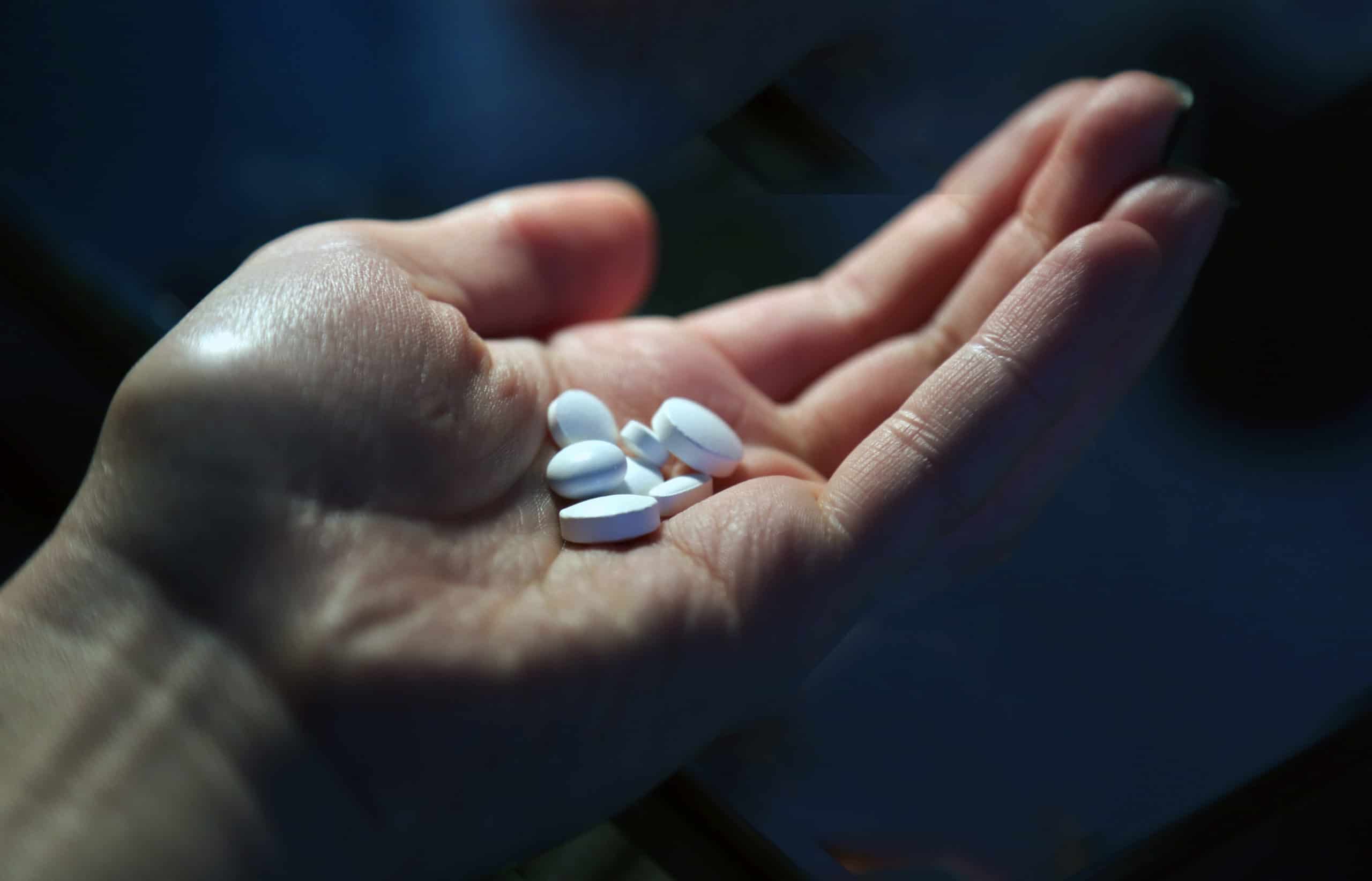
Medication-Assisted Treatment, sometimes referred to as MAT, combines FDA-approved medications with counseling and behavioral therapies. This approach treats substance use disorders as complex medical conditions that impact the whole person—body, mind, and emotions.
The medications at the heart of this method do not replace one substance for another. Instead, they work carefully to reduce cravings, manage withdrawal symptoms, and restore balance in the brain. This support is designed to give individuals the clarity and strength needed to participate more fully in therapy and rebuild their lives.
How Does Medication-Assisted Treatment Support Recovery?
Some think of this approach as a simple fix, but it is far more strategic. Medication-Assisted Treatment acts as a bridge, offering the support you need to face life’s challenges while transforming old habits.
It Reduces Withdrawal and Cravings
Beginning recovery can be especially hard due to intense cravings and physical discomfort. These are often the primary reasons people struggle to remain sober in early recovery. Medications used in this approach help ease these difficult symptoms and make it safer to transition away from drug or alcohol use. By reducing these barriers, you gain the ability to focus on the emotional and behavioral work needed for change.
It Supports the Work of Therapy
When physical symptoms are under control, personal healing becomes possible. Individuals can engage more meaningfully in counseling, whether that means processing trauma, improving coping skills, or setting healthy goals for the future. The medication does not heal on its own; instead, it creates space for therapy and self-discovery to take root.
It Strengthens Long-Term Success
Years of evidence show that Medication-Assisted Treatment helps people stay in treatment programs longer, avoid relapse, and reduce the risk of overdose. The approach is particularly effective for opioid and alcohol use disorders, two conditions where physical cravings and brain chemistry play a powerful role. Strategic medication support helps level the playing field, offering a real chance at long-term recovery.
What Conditions Can Be Treated this Way?
While most often used for Opiods addiction (such as prescription painkillers or heroin) with medications like buprenorphine, methadone, and naltrexone, Medication-Assisted Treatment also helps those recovering from alcohol use disorder. Other medications, such as acamprosate or disulfiram, can reduce the urge to drink or make drinking less desirable. A medical professional at Grand Falls Center for Recovery will work with you to develop a personalized plan based on your needs and health history.
Frequently Asked Questions
Is Medication-Assisted Treatment replacing one drug with another?
No. The medications prescribed are specifically designed for recovery—they do not create a “high” or reinforce addiction. These are safe, regulated tools, administered under close medical care to help normalize your body and mind during recovery.
How long do people stay on this treatment?
The timeline is different for everyone. Some people benefit from short-term use, while others may need long-term maintenance. Decisions are always made together with your care team, focusing on what is safest and most effective for your lasting recovery.
Can I join a 12-step program while on Medication-Assisted Treatment?
Yes. Many people in Medication-Assisted programs participate in 12-step meetings and find comfort in peer support. These approaches can complement each other, giving you more tools for your recovery journey.
A Path Forward: Hope and Support
Choosing support for addiction recovery is a courageous decision. You deserve every opportunity and tool that can help you build a better future. Medication-Assisted Treatment is a strategic support—grounded in science, offered with compassion—that can give you or your loved one a real foundation for healing.
At Grand Falls Center for Recovery, our focus is on providing the most effective care in a supportive, nonjudgmental environment. To find out more, please visit our Medication-Assisted Treatment page or contact us today. You are not alone in this—there is hope, and we are here to walk with you every step of the way.