Embarking on the journey of recovery is a profound act of self-love and courage. For individuals dealing with substance use disorders, particularly those involving opioids or alcohol, the initial steps can be physically and emotionally overwhelming. The fear of withdrawal and the intensity of cravings can feel like insurmountable barriers. Medication-Assisted Treatment (MAT) offers a path forward, providing an evidence-based approach that creates a crucial balance between clinical stability and emotional awareness.
MAT is often misunderstood as simply substituting one substance for another. In reality, it is a comprehensive treatment strategy that uses FDA-approved medications to stabilize the brain and body. This stabilization is not the end goal; it is the foundation. By quieting the physical chaos of withdrawal and cravings, MAT opens the door for individuals to engage in the deep, emotional work of healing, paving the way for a sustainable and fulfilling recovery.
What is Medication-Assisted Treatment?
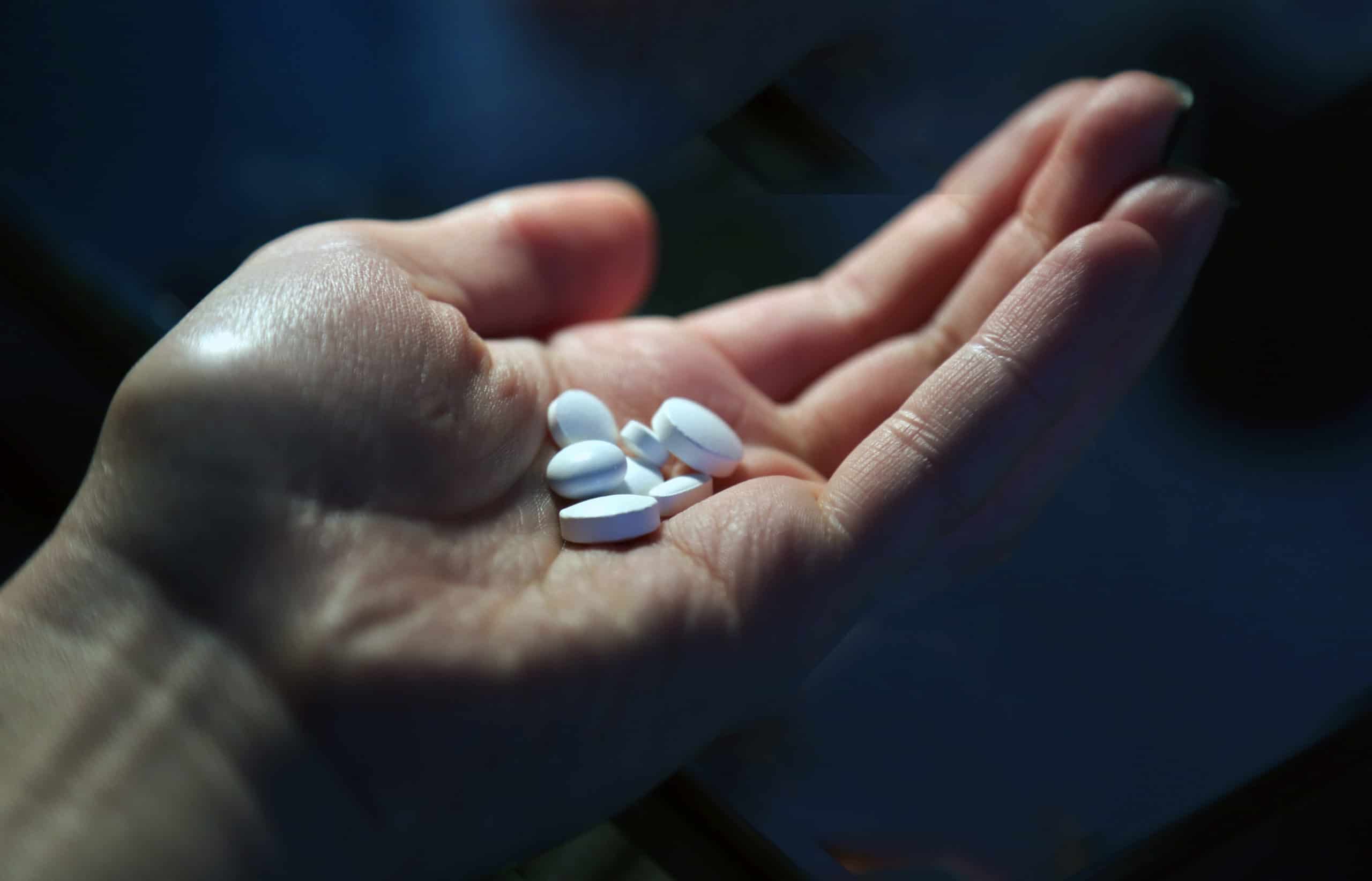
Medication-Assisted Treatment is a “whole-person” approach to treating substance use disorders. It combines the use of specific medications with counseling and behavioral therapies. This integrated model recognizes that addiction is a complex medical condition that affects brain chemistry, not a moral failing. The medications used in MAT work by interacting with the same receptors in the brain as alcohol or opioids, but they do so without producing a euphoric high.
The primary functions of these medications are to:
- Normalize brain chemistry and bodily functions.
- Alleviate the often severe symptoms of withdrawal.
- Reduce or eliminate cravings that can lead to relapse.
By addressing the biological aspects of addiction, MAT provides the stability needed for individuals to fully participate in the therapeutic process, where the psychological and emotional components of the disorder are addressed.
Creating Clinical Stability: The First Step
The initial phase of recovery is frequently the most physically challenging. The body, having become dependent on a substance, reacts intensely when it is removed. This period of acute withdrawal can be agonizing and, in some cases, life-threatening.
Medication-Assisted Treatment provides a safe and humane way to navigate this process. Under the care of medical professionals, medications can significantly reduce the severity of withdrawal symptoms like nausea, body aches, anxiety, and insomnia. This medical support not only makes the detoxification process more comfortable but also much safer. When a person is not consumed by physical pain, their mind is free to begin healing. This newfound clinical stability is the bedrock upon which emotional recovery is built.
Fostering Emotional Awareness
Once the body is stable, the true work of recovery can begin. With the constant noise of cravings and physical discomfort turned down, individuals have the mental and emotional capacity to look inward. MAT creates the space needed to develop emotional awareness, a skill that is often lost during active substance use.
A Bridge to Effective Therapy
When a person feels physically stable, they are better able to engage in individual and group therapy. They can be present in sessions, process complex emotions, and learn new coping skills without being distracted by an overwhelming urge to use. Medication-Assisted Treatment acts as a bridge, allowing individuals to access the full benefits of therapeutic interventions like Cognitive Behavioral Therapy (CBT) or Dialectical Behavior Therapy (DBT).
Reconnecting with Feelings
Substance use is often a way to numb or escape from difficult emotions. In recovery, learning to identify, experience, and healthily manage feelings is essential. Because the medications used in Medication-Assisted Treatment do not cause a high, individuals can begin to reconnect with their authentic emotional state. A therapist can guide them in understanding what their feelings—be it anger, sadness, or joy—are trying to tell them. This process helps to replace the impulse to numb with the skill of emotional regulation.
Building Self-Trust and Confidence
Successfully managing a medication-assisted treatment plan is an act of empowerment. It involves showing up for appointments, taking medication as prescribed, and participating in therapy. Each day that an individual follows through on this commitment, they rebuild trust in themselves. They prove that they can manage their health and make positive choices for their future. This growing confidence is vital for navigating the challenges of long-term recovery.
A Balanced Path to a Hopeful Future
Medication-Assisted Treatment is not a quick fix; it is a strategic and compassionate approach that honors the medical nature of addiction. By creating a state of clinical stability, it empowers individuals to develop the emotional awareness and resilience needed to build a life of purpose. It provides the balance required to heal from the inside out, offering a steady path toward a brighter and more stable future.
Find Your Balance at Grand Falls Center for Recovery
You do not have to endure the physical and emotional turmoil of early recovery alone. At Grand Falls Center for Recovery, we believe in providing comprehensive, evidence-based care that addresses the whole person. Our expert medical and clinical teams are here to guide you through a personalized Medication-Assisted Treatment plan that fosters both stability and emotional growth.
If you are ready to start your journey toward a balanced and hopeful life, contact us today. We are here to support you every step of the way.