Trying to break a habit is tough, especially when your environment keeps pulling you back. Residential drug treatment centers offer a supportive space to heal, free from the triggers of everyday life. When you are navigating a substance use disorder, trying to heal in the same environment where the struggles began can feel like walking up a downward escalator. The daily stress, familiar routines, and environmental triggers are constantly present, making it incredibly difficult to focus on your well-being.
This is exactly why residential treatment is often the most effective step forward. Sometimes, creating physical distance from your everyday environment is not just helpful—it is the very medicine you need. By stepping away from the noise of daily life, you give your mind and body the quiet space required to build a lasting foundation for recovery.
The Power of Physical and Mental Distance in Recovery
Your brain naturally links certain places, people, and routines to substance use. Walking past a specific street, dealing with a highly stressful work situation, or even experiencing complex family dynamics can act as powerful triggers. When you are in the early stages of recovery, your coping skills are still developing. Facing these intense triggers daily can easily overwhelm your nervous system.
Physical distance removes these immediate barriers. By leaving your typical environment, you essentially press the pause button on outside stressors. You do not have to worry about managing a difficult relationship or avoiding a familiar neighborhood. This separation allows your nervous system to calm down, shifting your brain out of a constant state of “fight or flight.” Once you feel safe, you can finally focus entirely on your own health.
How does residential care create a safe space to heal?
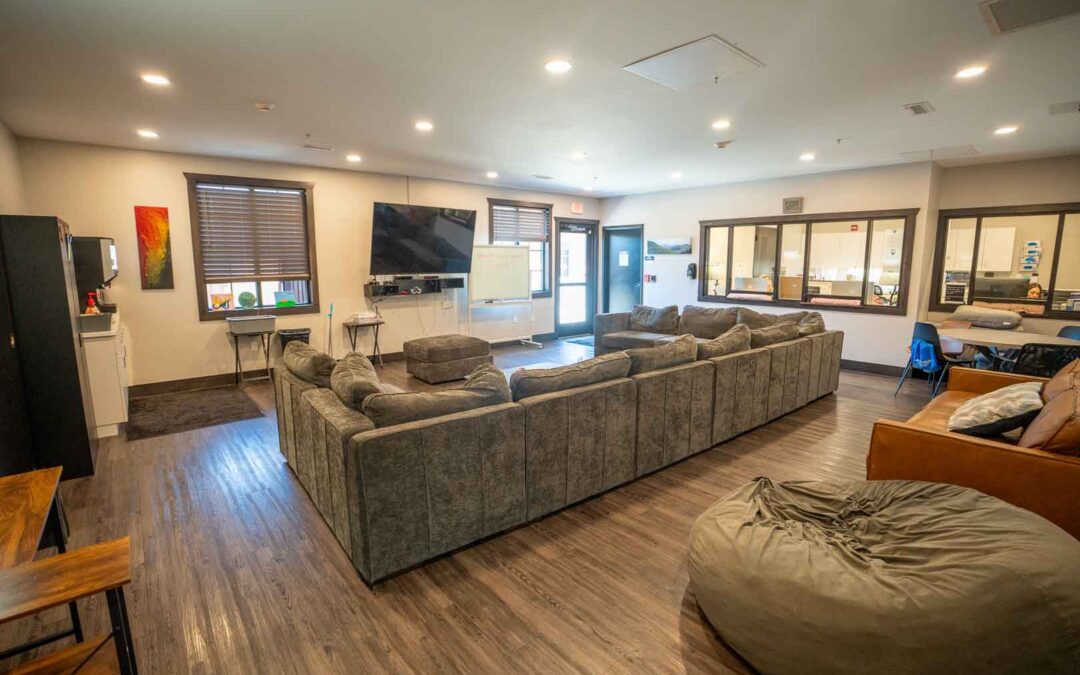
A residential program offers a structured, highly supportive atmosphere designed specifically for healing. Instead of trying to balance recovery with your usual daily obligations, your only job is to focus on getting well.
When you choose comprehensive residential treatment, you step into a community built on empathy, safety, and expert medical care. You are surrounded by compassionate professionals who understand exactly what you are going through. This environment provides round-the-clock support, ensuring that if you experience a difficult moment or an intense craving, you never have to face it alone.
Furthermore, this level of care introduces a healthy, predictable daily routine. You benefit from regular sleep schedules, nutritious meals, and daily physical movement. Rebuilding these basic holistic health habits provides your brain with the premium fuel it needs to support emotional healing.
Core benefits of inpatient recovery
Stepping away from home to live at a treatment center offers several unique advantages that outpatient care simply cannot provide in the early days of healing:
- Uninterrupted Focus: Without the distraction of work or home life, you can engage deeply in individual therapy and uncover the root causes of your substance use.
- A Built-In Community: You live alongside peers who share similar experiences. This removes the deep isolation that often accompanies mental health challenges and builds a network of mutual support.
- Holistic Health Integration: You have the time to learn how proper nutrition, fitness, and stress management directly impact your emotional well-being and long-term vitality.
When researching options for yourself or a loved one, you likely have a few practical questions. Here are clear answers to help you understand what to expect.
How long does residential treatment usually last?
The length of a residential program depends entirely on your unique health needs. While some individuals stay for 30 days to build a strong initial foundation, others may benefit from 60 or 90 days of immersive care. A longer stay allows more time to practice new coping skills in a safe environment, which research shows can significantly improve long-term outcomes.
Will I be isolated from my family during treatment?
No, you will not be completely isolated. While the goal is to provide distance from daily stressors, family connection is a vital part of the healing process. Most programs include dedicated times for phone calls, family visits, and even guided family therapy sessions to help repair relationships and build a supportive home environment for when you return.
Take the Step Toward a Healthier Future
Healing from a substance use disorder takes immense courage. By choosing a residential program, you are giving yourself the ultimate gift: the time, distance, and expert support necessary to truly transform your life. You deserve a safe space where you can focus entirely on your vitality and peace of mind.
You do not have to navigate this challenging journey on your own. At Grand Falls Center for Recovery, our compassionate team is dedicated to providing the structured, empathetic care you need to rebuild your life. We are here to help you step away from the chaos and step into a hopeful, healthy future. Contact Grand Falls Center for Recovery today to learn more about how our residential programs can support your path to lasting wellness.