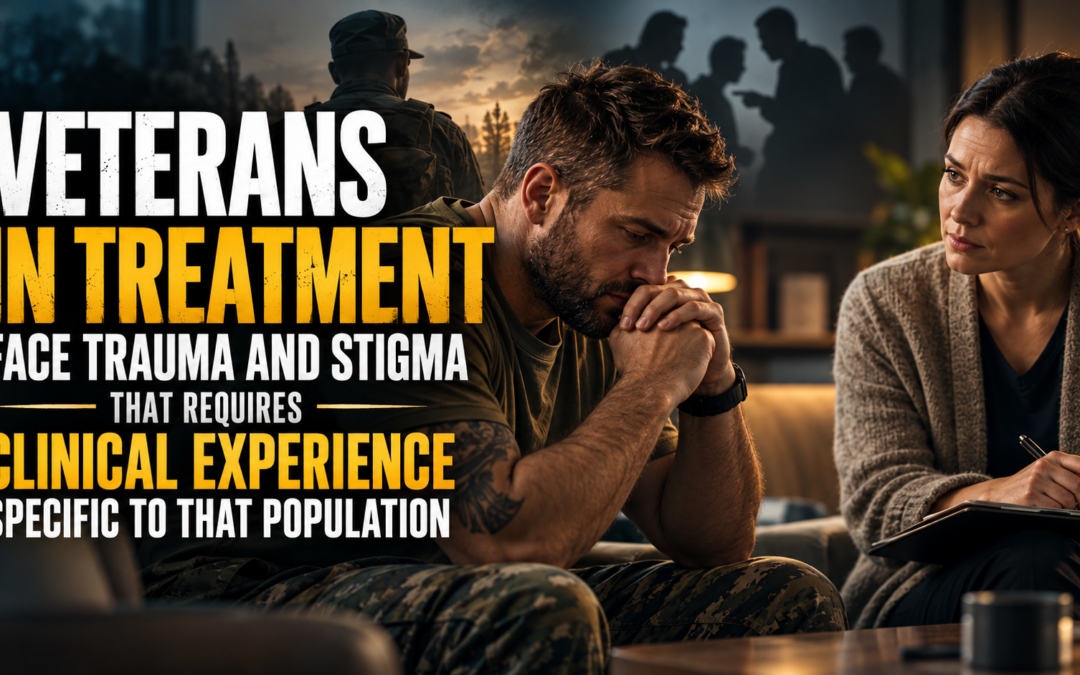
Veterans in treatment often carry experiences that most civilian programs were never built to understand. Combat, loss, military sexual trauma and the strain of coming home can shape substance use long before anyone names it. By the time someone reaches out, drinking or drug use may have become the way they get through each day.
If you served, or love someone who did, asking for help may feel hard. Military culture teaches strength, self-reliance and pushing through pain. Admitting a struggle can feel like letting your unit down, even years after leaving the service.
That hesitation makes sense, and it is not weakness. It often comes from training that once kept you and others safe. Care that respects your service and understands what you went through can make recovery feel less like surrender and more like a new mission.
Why Do Veterans in Treatment Face Unique Challenges?
Veterans in treatment face unique challenges because military trauma, service culture and the move to civilian life all shape how addiction develops and how recovery unfolds. These factors rarely show up on a standard intake form. Yet they affect nearly every part of healing.
A veteran may come in for alcohol or opioid use. Underneath, there may be years of hypervigilance, grief for fallen friends or chronic pain from an injury.
How Does Military Trauma Connect to Substance Use?
Military trauma connects to substance use because alcohol and drugs can quiet the symptoms that follow combat, injury or other harm during service. Posttraumatic stress disorder (PTSD) can bring nightmares, flashbacks and a constant sense of danger. Substances may seem to turn that alarm down for a while.
Other experiences can play a role too:
- Combat exposure and the loss of fellow service members
- Military sexual trauma (MST), which includes sexual assault or harassment during service
- Moral injury, the deep distress that follows events that conflict with a person’s values
- Traumatic brain injury (TBI) from blasts or accidents
- Chronic pain that led to opioid prescriptions
Why Does Returning Home Add Pressure?
Returning home adds pressure because veterans lose the structure, purpose and close-knit community that defined military life. Civilian routines can feel aimless or isolating. Many veterans say it feels like no one around them understands.
That isolation can quietly deepen substance use. It can also make veterans in treatment slower to trust providers who have never served.
How Does Stigma Keep Veterans From Getting Help?
Stigma keeps veterans from getting help by making addiction or mental health struggles feel like a personal failure instead of a health condition. Many service members learn to hide pain to protect their careers and their unit.
Where Does Military Stigma Come From?
Military stigma comes from a culture that values toughness, mission focus and never being a burden to others. Those values serve a purpose in uniform. After service, they can make seeking care feel like breaking an unwritten code.
Some veterans also worry about how a diagnosis might affect their benefits, security clearance or civilian job. These fears are real, and they deserve honest answers.
How Does Stigma Show Up During Treatment?
Stigma shows up during treatment as hesitation to share, a habit of downplaying symptoms and pressure to “tough it out” alone. Veterans in treatment may avoid group settings where they feel exposed.
A skilled clinician sees these patterns as protective habits, not resistance. Building trust slowly helps veterans in treatment open up on their own terms.
Why Do General Programs Fall Short for Veterans in Treatment?
General programs fall short for veterans in treatment because they often address substance use alone without reaching the military experiences behind it. A program may manage withdrawal and teach coping skills, then send someone home with PTSD still untreated.
What Gets Missed in a One-Size-Fits-All Approach?
A one-size-fits-all approach often misses trauma, moral injury and the cultural barriers that shape how veterans communicate. Staff without military-informed training may not know which questions to ask. They may read hypervigilance as anxiety or anger as defiance.
When signs are misread, care can feel unsafe. Some veterans in treatment leave early, while others finish a program and relapse when trauma symptoms return in sobriety.
What Warning Signs Suggest Trauma Is Driving Substance Use?
The clearest warning sign is using alcohol or drugs to escape memories, nightmares or a constant sense of threat. Other signs may include:
- Drinking to fall asleep or avoid dreams
- Feeling on edge in crowds or unfamiliar places
- Anger that flares quickly and feels hard to control
- Pulling away from family and old friends
- Taking more pain medication than prescribed
- Cravings that spike around deployment anniversaries or sudden loud noises
Noticing a few of these is not a diagnosis. It is a reason to seek an assessment from a team that understands trauma.
What Does Trauma-Informed and Dual-Diagnosis Care Look Like?
Trauma-informed, dual-diagnosis care treats PTSD, depression, anxiety and substance use together through one coordinated plan while putting safety and trust first. You are not passed between separate providers who never compare notes.
At Grand Falls Center for Recovery, dual-diagnosis treatment brings addiction care and mental health treatment together. For veterans in treatment, this approach supports the whole person rather than one symptom at a time.
Which Therapies Help Veterans Heal?
Therapies that help veterans heal focus on safety, practical coping skills and processing trauma at a manageable pace. A plan may include:
- Individual therapy that explores military experiences safely
- Cognitive behavioral therapy (CBT) to reshape unhelpful thought patterns
- Grounding techniques to calm the body during flashbacks or panic
- Group therapy with peers who understand what you carry
- Relapse prevention planning built around trauma triggers
How Does Personalized Medication Support Recovery?
Personalized medication supports recovery by easing symptoms like anxiety, depression or poor sleep in a way that fits your body. Grand Falls uses GeneSight genetic testing, which relies on a simple cheek swab to show how your genetics may affect your response to certain medications.
This can reduce frustrating trial and error. For veterans in treatment who have already tried several prescriptions, that added precision can bring real relief.
How Can Families Be Part of Healing?
Families can be part of healing through family therapy, which helps loved ones understand how trauma shapes behavior and trust. Deployments and transitions affect spouses, children and parents too.
Family sessions create space to rebuild communication and support recovery without blame.
How Does Grand Falls Support Veterans in Treatment?
Grand Falls supports veterans in treatment through a full continuum of care on a calm, secluded campus in Joplin, Missouri. A thorough assessment helps you and your care team choose the right starting point.
- Medical detox offers about a week of supervised care with 24/7 on-site medical and support staff.
- Residential inpatient treatment provides 30 to 90 days or more of structured care away from daily triggers.
- Partial hospitalization delivers intensive daytime treatment with evenings at home.
- Intensive outpatient care offers therapy several days a week as you return to work and family.
- Aftercare and alumni support helps you stay connected after formal treatment ends.
Residential programming includes gender-specific tracks, which can help veterans who experienced MST feel safer opening up. Professional tracks also offer privacy and continued technology use for those balancing civilian careers.
Is Specialized Care the Right Next Step for You?
The clearest sign specialized care may fit is substance use that grew after military service or that follows reminders of what you experienced. You do not need every answer before reaching out.
- If you completed treatment before and relapsed when nightmares or anger returned, integrated care can address what was missed.
- If you avoid talking about your service because civilians may not understand, a trauma-informed team can move at your pace.
- If chronic pain from an injury led to opioid use, medical detox and ongoing care can help you stop safely.
- If your home or community holds constant reminders, residential care can give you space to focus.
- If a spouse or family member has voiced concern, that observation is worth exploring together.
Grand Falls offers a free consultation, so you can ask questions and explore options with no pressure.
Common Questions Before Starting Treatment
Do I have to talk about my service right away? No. Trauma-informed care builds safety and coping skills first. You and your therapist decide together when to explore difficult memories.
Will my treatment information stay private? Federal law protects the confidentiality of substance use treatment records. In most cases, providers cannot share your information without your written consent.
What if my substance use started with a prescription for an injury? That path is common among veterans in treatment. Your care team can address both pain management and substance use in one plan.
What if I am in crisis right now? Call 988 and press 1 to reach the Veterans Crisis Line, or text 838255. If you are in immediate danger, call 911.
Moving Forward With Hope
Veterans in treatment deserve care that understands both the trauma they carry and the stigma that kept them silent. Your service shaped you, and good treatment should honor that history rather than overlook it.
With trauma-informed, dual-diagnosis care and steady support at every stage, healing can reach the roots of what you have been carrying. Recovery is possible, and you do not have to face it alone.
If you or a veteran you love is ready to take the next step, reach out to Grand Falls Center for Recovery today. Our compassionate team is here to listen, answer your questions and help you find care built around your needs.