Wilderness Therapy is a clinically guided treatment approach that uses time in natural settings as a therapeutic tool, and for many people, it unlocks something that a traditional office or group room simply cannot. If you are researching treatment options for yourself or someone you care about, you may already sense that the standard approaches have not told the whole story. That feeling is worth paying attention to.
Some people find it genuinely easier to speak honestly when they are moving through open space rather than sitting across from someone under fluorescent lighting. That is not a quirk. It is a pattern that therapists have observed and built treatment around.
This article explains what wilderness therapy is, who benefits from it, what a typical experience involves, and how it fits within a broader treatment plan. It also covers what to look for when evaluating a wilderness therapy program and how Grand Falls® Recovery supports people through this kind of care.
What Is Wilderness Therapy and Who Is It For?
Wilderness therapy is a treatment modality that combines structured clinical work with guided experiences in natural outdoor environments. It is not a survival course or an adventure program. It is a form of psychotherapy delivered by licensed clinicians, often using activities like hiking, camping, and group challenges as the context for therapeutic work rather than a conference room.
The approach is used with people managing substance use disorders, depression, anxiety, trauma, and other mental health conditions. It is particularly well-suited for individuals who have disengaged from traditional treatment settings, who struggle to open up in structured clinical environments, or who have found that previous treatment approaches did not create the kind of engagement that produces real change.
Wilderness therapy is not a replacement for the full continuum of care. It is one component within a broader clinical plan, and its effectiveness depends on how well it is integrated with individual therapy, group work, and other evidence-based services.
Why Does Leaving the Clinical Setting Help Some People Engage More Honestly?
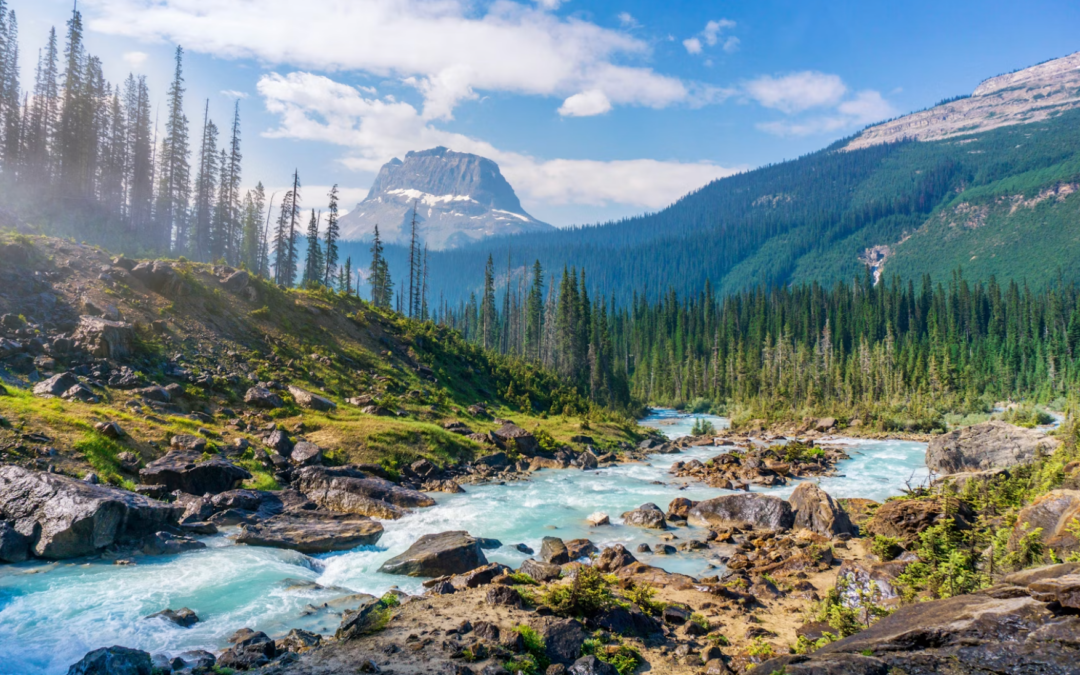
Leaving the clinical setting helps some people engage more honestly because the physical environment shapes how people feel and what they are willing to say. A traditional office creates a power dynamic, a clear separation between clinician and patient, a formality that some people find activating rather than calming. Moving through a natural landscape on foot changes that dynamic in ways that are not theatrical but genuinely clinical.
Side-by-side movement reduces the intensity of direct eye contact. Physical activity regulates the nervous system, which makes it easier for people managing anxiety, hypervigilance, or trauma to stay present rather than shutting down or deflecting. Nature itself provides a kind of neutral backdrop that can lower the threshold for honest conversation.
This is especially meaningful for people who have learned, through long experience, to protect themselves in formal environments. For someone who has spent years keeping walls up in institutional settings, a trail in the woods may be the first place a clinical conversation truly lands.
What Does a Wilderness Therapy Experience Typically Involve?
A wilderness therapy experience typically involves a combination of guided outdoor activities, individual therapy sessions, group therapy, and skills-based learning, all delivered by licensed clinical staff in an outdoor setting. The specific structure varies by program, but the clinical work is never incidental to the outdoor activities. The two are woven together intentionally.
Individual therapy sessions may take place during a rest stop on a hike, beside a fire in the evening, or during a moment of quiet in a natural setting. Group sessions use shared challenges, such as navigating a trail together or completing a camp task as a team, to surface the same interpersonal dynamics that emerge in any group therapy setting. The difference is that the outdoor context creates both metaphors and real-time experiences that are difficult to manufacture inside a building.
Journal work, mindfulness practice, and reflection exercises are also common components. The goal is to build self-awareness, emotional regulation skills, and the capacity for honest connection, all of which transfer directly into the person’s recovery and daily life.
How Does Wilderness Therapy Fit Within a Broader Treatment Plan?
Wilderness therapy fits within a broader treatment plan as one component of integrated care rather than a standalone program. It is most effective when combined with individual counseling, medication management where appropriate, psychiatric evaluation, and a clear plan for what comes next after the wilderness phase ends.
How Does Wilderness Therapy Relate to Residential Treatment?
Wilderness therapy shares some structural features with residential treatment in that both involve sustained immersion in a therapeutic environment away from daily triggers and stressors. The key difference is the setting. Residential treatment takes place in a clinical facility. Wilderness therapy takes place in natural environments where the setting itself is part of the therapeutic design. Some programs use wilderness therapy as part of a residential continuum. Others integrate it as a complementary component within a broader plan.
What Happens After Wilderness Therapy Ends?
After wilderness therapy, most people transition into another level of structured care, such as a Partial Hospitalization Program (PHP) or an Intensive Outpatient Program (IOP), to continue building on the gains made during the wilderness phase. PHP provides several hours of structured daily programming five days per week. IOP offers meaningful clinical support on a more flexible schedule. The transition plan should be in place before the wilderness phase begins so that progress is not lost between levels of care.
Grand Falls Recovery builds continuity of care into the planning process from the start, so that wilderness therapy is part of a coherent clinical journey rather than an isolated experience.
What Clinical Services Are Included in Wilderness Therapy?
Clinical services in wilderness therapy typically include individual therapy with a licensed clinician, group therapy, psychoeducation, and skills-based work focused on emotional regulation, communication, and self-awareness. Evidence-based approaches such as Cognitive Behavioral Therapy (CBT) and mindfulness-based techniques are commonly used within wilderness settings, adapted to the outdoor context without losing their clinical rigor.
Trauma-informed care is also a significant part of many wilderness therapy programs, because the people who benefit most from this approach often carry histories that have made traditional clinical spaces feel unsafe. The outdoor environment, guided by a skilled clinician, can create conditions for therapeutic work that would otherwise feel impossible.
At Grand Falls Recovery, the clinical team provides individualized treatment planning within the wilderness therapy framework. Sessions are not generic. They are guided by each person’s specific history, goals, and clinical needs.
What Are the Signs That Wilderness Therapy May or May Not Be the Right Fit?
Wilderness therapy is likely a strong fit for someone who has struggled to engage in traditional clinical environments, who responds well to physical activity as a way of managing emotional distress, or who has found that one-on-one conversations in formal settings tend to produce guardedness rather than openness.
It may not be the right fit for someone who requires continuous medical monitoring, who has significant physical limitations that make outdoor activity impractical, or whose clinical needs at a given moment require more intensive structured care than a wilderness setting can provide. The decision should always be based on a thorough clinical assessment rather than on general interest in the concept.
A person does not need to have any particular background with nature or the outdoors to benefit from wilderness therapy. The therapeutic effect comes from the clinical work, not from prior experience with hiking or camping.
What Should You Ask Before Choosing a Wilderness Therapy Program?
Choosing the right program requires specific questions that go beyond a general description of what the experience looks like.
- Ask whether the clinical staff are licensed therapists with specific training in wilderness therapy, because the outdoor setting does not provide therapeutic benefit without qualified clinical guidance.
- Ask how wilderness therapy is integrated with the rest of the treatment plan, because a program that treats it as a standalone experience rather than part of a coordinated plan is less likely to produce durable results.
- Ask what the transition plan looks like after the wilderness phase ends, because continuity of care after this component is one of the most important factors in long-term outcomes.
- Ask how the program handles medical needs or safety concerns in the field, because a well-designed wilderness therapy program has clear protocols for both clinical and physical safety.
- Ask how family involvement is structured, because thoughtful family engagement during and after wilderness therapy can strengthen the gains made during treatment.
Grand Falls Recovery’s admissions team can walk you through these questions directly and help you understand how wilderness therapy fits within the broader care structure at the facility.
Common Questions Before Starting Wilderness Therapy
Is wilderness therapy safe?
Wilderness therapy programs operate with trained clinical and field staff who are equipped to manage both therapeutic and physical safety. Before enrolling in any program, it is reasonable to ask specifically about safety protocols, staff training, and how medical needs are handled in outdoor settings.
Can wilderness therapy help someone who does not enjoy being outdoors?
Yes. The therapeutic benefit of wilderness therapy is not contingent on loving the outdoors. Many people who enter skeptical find that the change in environment shifts something in how they engage with the clinical work. The setting is the tool, not the point.
Is wilderness therapy covered by insurance?
Coverage for wilderness therapy varies by insurance plan. Some plans include it under mental health or behavioral health benefits. The admissions team at Grand Falls Recovery can help you verify your coverage before any decisions are made, so there are no surprises.
Taking the Next Step
Wilderness therapy works because it meets people somewhere different, and for many, that difference is exactly what opens the door to honest, productive clinical work. Recovery looks different for each person, and for some, the most important step is finding the right context for the work to happen.
Many people who felt stuck in traditional treatment settings have found new traction through wilderness therapy, not because the outdoors is magic, but because the right environment in the hands of a skilled clinical team can change what is possible.
If you are ready to learn more about whether wilderness therapy at Grand Falls Recovery is the right fit for you or someone you love, the team is here to help you find that answer clearly.