When traditional treatment settings feel overwhelming, exploring wilderness therapy can be a profound turning point. Seeking help for drug addiction or mental health challenges is a courageous step. However, the structured environment of a clinical office does not work for everyone. If you or a loved one feel stuck in your healing journey, know that your frustration is valid. There are alternative paths, like wilderness therapy, that embrace the healing power of nature to unlock genuine breakthroughs. You are worthy of finding an approach that truly resonates with your unique spirit.
Understanding Wilderness Therapy
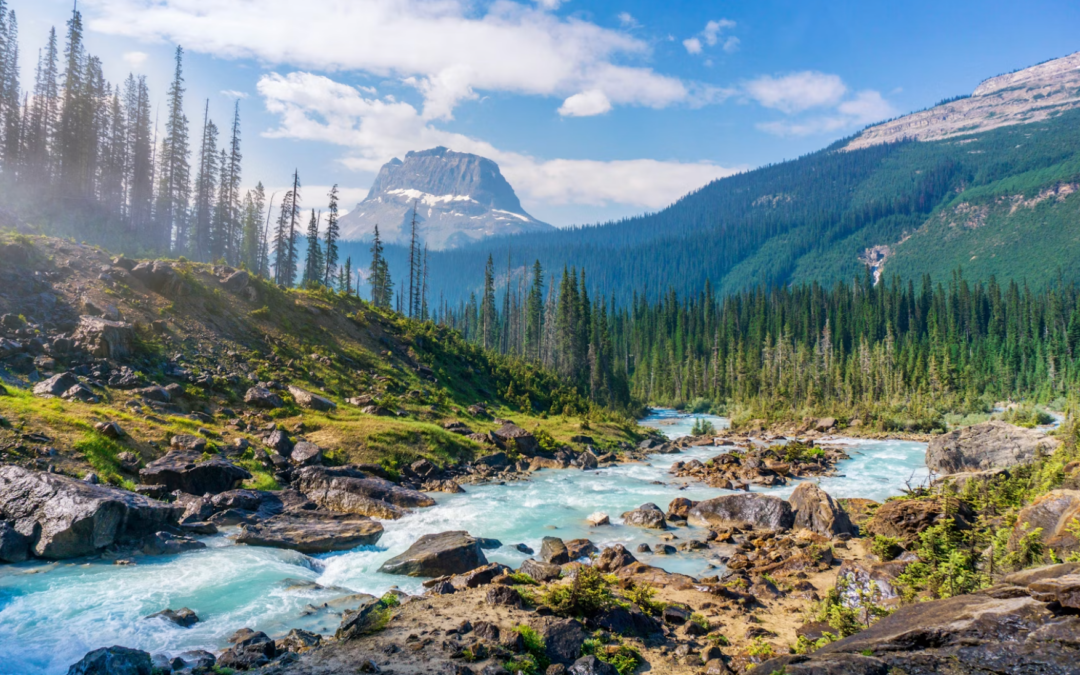
This innovative therapeutic approach moves professional mental health and drug addiction treatment out of the traditional office setting and into the great outdoors. Wilderness therapy programs immerse individuals in nature, where they spend their days engaging in guided activities under the continuous care of licensed mental health professionals. This method seamlessly combines the serenity of the natural world with evidence-based counseling techniques. This unique environment naturally lowers stress levels and gently challenges individuals to build self-reliance and resilience. The core principle of wilderness therapy is that by removing the distractions and pressures of daily life, participants can focus more deeply on their internal struggles and develop healthier coping mechanisms.
Core Components of Wilderness Therapy Programs
A successful wilderness therapy program is built on several key pillars that work together to create a comprehensive healing experience. Participants might learn how to build a fire, navigate a trail with a map and compass, or set up a secure camp for the night. These practical outdoor tasks serve as powerful metaphors for overcoming personal obstacles in everyday life. For instance, successfully navigating a difficult trail can symbolize the journey through recovery, while building a shelter can represent creating a stable and secure life. Engaging in wilderness therapy helps rebuild a sense of competence and deep inner strength.
Furthermore, group living is a fundamental aspect of the experience. Participants learn to rely on one another, fostering a sense of community, communication, and teamwork. Individual therapy sessions with licensed counselors are integrated into the daily routine, providing a space to process emotions and experiences. These sessions are often held in natural settings, which can make it easier for individuals to open up and engage with the therapeutic process. The combination of individual effort, group dynamics, and professional guidance is central to the effectiveness of wilderness therapy.
The Psychological Benefits of Nature
The natural environment itself is a powerful therapeutic agent. Scientific research has consistently shown that spending time in nature can have significant positive effects on mental health. This concept, often referred to as ecopsychology, suggests that there is a deep connection between human beings and the natural world. Exposure to nature can reduce levels of the stress hormone cortisol, lower blood pressure, and decrease feelings of anxiety and depression. The simple act of being in a green, natural space can promote a sense of calm and well being.
Wilderness therapy leverages these benefits by making the outdoors the primary setting for treatment. The challenges presented by the natural environment, such as inclement weather or difficult terrain, require participants to be present and mindful. This focus on the here and now can be a welcome respite from the cycle of negative thoughts and worries that often accompany mental health issues and addiction. The beauty and vastness of nature can also inspire a sense of awe and wonder, helping individuals to see their problems from a new perspective and reconnect with a sense of purpose.
Who Can Benefit from Wilderness Therapy?
Wilderness therapy is particularly effective for adolescents and young adults who are struggling with a range of behavioral and emotional issues. These can include substance abuse, depression, anxiety, trauma, and low self esteem. The hands on, experiential nature of this approach can be more engaging for younger individuals who may not respond well to traditional talk therapy. It provides a structured yet dynamic environment where they can learn practical life skills, build confidence, and develop a stronger sense of self.
However, wilderness therapy is not limited to young people. There are also programs designed specifically for adults who are seeking an alternative to conventional treatment. These programs can be beneficial for individuals who have not found success with other forms of therapy or who are looking for a more intensive and immersive experience. The focus on physical activity, problem solving, and community living can be transformative for people of all ages. It is important for anyone considering wilderness therapy to undergo a thorough assessment to ensure that it is the right fit for their specific needs and circumstances.
Integrating Clinical Excellence with Outdoor Adventure
A common misconception about wilderness therapy is that it is simply a camping trip or survival course. In reality, it is a sophisticated form of clinical treatment that is delivered by a team of highly trained professionals. Licensed therapists, medical staff, and experienced outdoor guides work together to create a safe and supportive environment for healing. The therapeutic curriculum is carefully designed to address the specific issues that participants are facing, using evidence based practices such as Cognitive Behavioral Therapy (CBT), Dialectical Behavior Therapy (DBT), and Motivational Interviewing.
Throughout the program, participants receive regular individual, group, and family therapy sessions. The insights and progress made in these clinical sessions are then reinforced through the daily challenges and experiences of living in the wilderness. This integration of therapeutic work and real world application is what makes wilderness therapy so effective. It helps individuals to not only understand their issues on an intellectual level but also to develop the practical skills and emotional resilience needed to overcome them.
A Path to Lasting Change
The ultimate goal of wilderness therapy is to help individuals make lasting changes that will support their long term health and well being. The skills and insights gained during the program are designed to be transferable to life back home. Participants learn how to communicate more effectively, manage stress, build healthy relationships, and make responsible choices. They leave the program with a renewed sense of confidence and a deeper understanding of themselves and their place in the world.
Transitioning back to daily life is a critical part of the process, and reputable wilderness therapy programs provide comprehensive aftercare planning to support this transition. This may include referrals to therapists and support groups in the individual’s home community, as well as continued support for the family. By providing a strong foundation for recovery and a clear path forward, wilderness therapy empowers individuals to continue their journey of healing and growth long after they have left the wilderness behind. This form of therapy offers a unique and powerful path to recovery, combining the healing power of nature with expert clinical care to help individuals build a brighter, healthier future.
The Role of Wilderness Therapy in Emotional Healing
Traditional clinical settings can sometimes feel rigid, causing people to inadvertently hold back their deepest emotions. Nature provides a neutral, calming space where individuals feel much safer opening up about their past pain. Removing daily distractions like cell phones, social media, and heavy work schedules allows your nervous system to finally relax.
When you strip away the chaotic noise of everyday life, getting to the root of deep emotional pain becomes much easier. For those struggling with severe past experiences, specialized trauma support paired with outdoor immersion creates incredible emotional shifts. The vastness of the outdoors helps put personal struggles into a much healthier perspective.
The physical movement required in nature also releases natural endorphins that actively combat depression and anxiety. This physical engagement proves that your body is strong and entirely capable of recovery.
Ideal Situations for Considering Wilderness Therapy
If you or a loved one have tried standard drug rehab or therapy before without lasting success, this approach offers a highly effective alternative. It is especially beneficial for individuals who feel completely disconnected from themselves and the people around them. Stepping into the wilderness provides a vital physical and emotional reset button.
It is also a wonderful option for those who struggle to articulate their heavy feelings in a standard clinical chair. The challenges of outdoor living teach practical problem-solving skills that translate beautifully back into daily life. Experiencing these small victories in nature slowly rebuilds shattered self-esteem and fosters genuine hope.
Frequently Asked Questions About Wilderness Therapy
When researching new health options for your family, having clear answers brings immense peace of mind. Here are common questions people ask about this specific level of care.
Is Wilderness Therapy safe for someone without outdoor experience?
Yes, absolutely. These specialized programs are designed for individuals of all experience levels, and no prior outdoor skills are required. You are guided by highly trained professionals who prioritize your physical safety and emotional comfort at all times.
How long does an outdoor treatment program typically last?
Every healing journey is completely unique, but most outdoor programs last anywhere from four to ten weeks. Your dedicated care team will continuously adjust your plan based entirely on your personal progress and daily comfort level.
Can this approach treat both drug addiction and mental health?
Yes, it is highly effective for treating complex, co-occurring conditions simultaneously. Treating the mental health condition alongside the drug or alcohol challenge ensures a much stronger foundation for your future wellness.
Does insurance cover these outdoor programs?
Many insurance providers now recognize the clinical value of these immersive programs and offer partial or full coverage. Our admissions team can help you verify your benefits to ease any financial worries before you begin.
Discover a New Path to Lasting Wellness
You deserve a treatment plan that honors your unique needs and helps you safely rediscover your true self. Exploring Wilderness Therapy could be the exact turning point you need to finally break free from the heavy cycle of addiction and emotional pain. You have already shown immense bravery by looking for solutions, and you do not have to walk this path alone.
At Grand Falls® Recovery, our compassionate team is deeply dedicated to providing the specialized, non-judgmental support you need to truly thrive. We believe in your ability to heal and are here to guide you gently toward a brighter, healthier tomorrow. Please reach out to Grand Falls Recovery today to learn how Wilderness Therapy can help you build a beautiful, hopeful future.