Residential drug treatment in Joplin offers a level of immersive, around-the-clock structure that outpatient programs simply are not designed to provide. If you or someone you love is weighing treatment options, that difference matters more than it might seem at first.
Choosing a path forward can feel overwhelming. You may wonder whether stepping away from daily life is truly necessary or whether a lighter option could work just as well. Those questions are worth asking, and they deserve honest answers.
The reassuring truth is that different levels of care exist for good reason. Understanding what residential treatment provides can help you make a confident, informed choice about the support that fits your situation.
What Is Residential Drug Treatment?
Residential drug treatment is a level of care where a person lives at a treatment facility full time while receiving therapy, medical support, and structured daily programming. It surrounds you with support in a setting removed from the triggers and stress of everyday life.
Unlike outpatient care, residential treatment is immersive. You are not fitting recovery around your schedule. Instead, your days are built entirely around healing.
This full-time environment allows you to focus on one thing at a time: getting well. That kind of focus is difficult to find when life’s usual demands keep pulling at your attention.
Who Is Residential Treatment For?
Residential treatment is for people who need consistent structure and support that outpatient care cannot fully offer. It often suits those whose home environment feels unstable or filled with triggers.
You might benefit from this level of care if past attempts at recovery have not lasted. It can also help when substance use is closely tied to mental health concerns that need steady, coordinated attention.
How Does Residential Drug Treatment in Joplin Differ From Outpatient Care?
Residential drug treatment in Joplin differs from outpatient care mainly in its intensity, its immersive structure, and the constant availability of support. Outpatient programs let you live at home and attend sessions on a set schedule, while residential care wraps support around you day and night.
Both approaches have real value. The right choice depends on your needs, your health history, and the stability of your surroundings.
Why Does Immersive Structure Matter?
Immersive structure matters because early recovery is often when people feel most vulnerable to setbacks. When your entire day follows a predictable, supportive rhythm, there are fewer gaps where old habits can slip back in.
Consider the difference this way. Outpatient care asks you to return each evening to the same environment where substance use took hold. Residential care gives you distance from those pressures, so your energy goes toward healing rather than managing constant temptation.
What Support Is Available Around the Clock?
Around-the-clock support means trained staff are present at all hours, ready to help during difficult moments. Cravings, anxiety, and emotional lows do not follow a schedule, and neither does the care in a residential setting.
This constant presence can bring real peace of mind. You are never left to face a hard night alone, and that steady reassurance can make a meaningful difference.
What Does Daily Life Look Like in Residential Treatment?
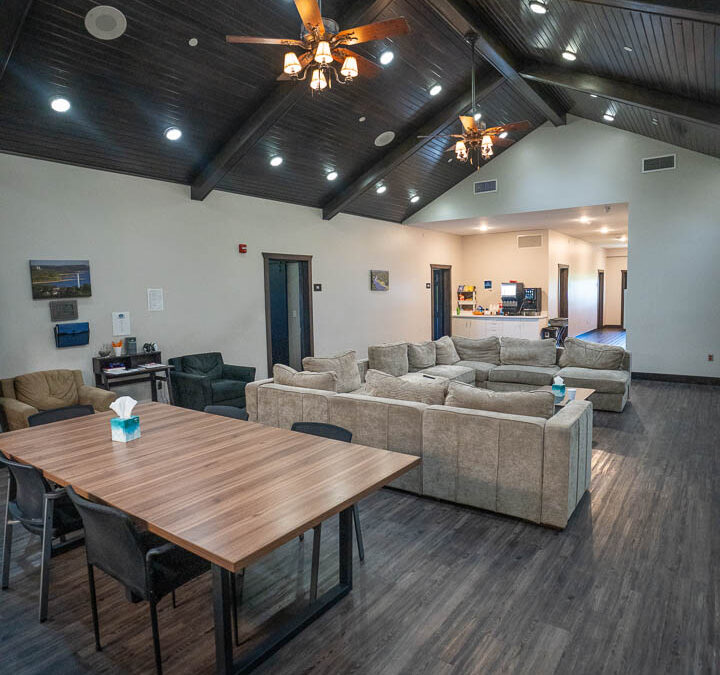
Daily life in residential treatment follows a consistent, supportive routine that blends therapy, rest, connection, and healthy habits. This predictable rhythm helps calm the nervous system and rebuild a sense of order.
A structured day removes the mental strain of constant decision-making. When you know what comes next, you can direct your focus toward the work of recovery.
What Does a Typical Day Include?
A typical day includes a balanced mix of therapy, group work, meals, and personal time. Each element supports stability and growth.
A daily rhythm often includes:
- Regular wake and sleep times that restore healthy patterns
- Individual therapy that explores the roots of substance use
- Group sessions that build connection and shared understanding
- Nourishing meals at consistent times
- Gentle movement, rest, and quiet reflection
- Skill-building for coping and relapse prevention
How Does Community Support Healing?
Community supports healing by reminding you that you are not alone in this experience. Living alongside others who understand the journey can ease the isolation that often accompanies substance use.
In group sessions and shared daily moments, people encourage one another and offer strength during hard days. These connections frequently become a lasting part of a person’s support network.
What Levels of Care Are Available?
Levels of care range from immersive residential support to flexible outpatient options, and many people move through several stages over time. The right level depends on your needs, your progress, and your home environment.
Understanding these options can make the path ahead feel clearer and less daunting.
Common levels of care include:
- Residential treatment provides full-time, structured support in a setting away from daily triggers.
- Partial hospitalization (PHP) offers intensive daytime care with evenings spent at home.
- Intensive outpatient (IOP) delivers therapy several days a week while you rebuild routine.
- Outpatient care provides ongoing therapy and support as you return to everyday life.
At Grand Falls Recovery, many people begin with more structured care and step down gradually as they grow steadier. This progression helps each stage feel manageable and connected.
How Do You Know if Residential Treatment Is the Right Choice?
Residential treatment is often the right choice when substance use feels difficult to manage in your current environment or when lighter approaches have not worked. You do not need to reach a crisis point before considering this level of care.
Consider whether any of these signs feel familiar:
- Past outpatient efforts have not led to lasting change.
- Your home environment feels unstable or filled with triggers.
- Substance use is closely tied to depression, anxiety, or trauma.
- You feel you need distance from daily stress to focus on healing.
- Attempts to stop on your own have been overwhelming.
- A loved one has expressed serious concern about your safety or well-being.
If several of these resonate, an immersive setting may offer the support you need. A thorough assessment can help confirm which level of care fits your situation best.
Common Questions Before Starting Treatment
People often have honest questions before choosing residential care, and clear answers can ease the way forward. These are a few of the most common.
How long does residential treatment last? Residential treatment length varies based on individual needs, though many programs span several weeks. Your care team can offer a clearer estimate after an assessment.
Can I stay in touch with my family? Yes. Most programs support healthy family connection and may include family therapy. Staying connected to loved ones is often an important part of the healing process.
Is residential treatment better than outpatient care? Neither is universally better. Residential care offers more immersive structure, while outpatient care offers flexibility. The right fit depends on your needs, your health history, and your home environment.
What happens after residential treatment? After residential treatment, most people step down into continued care such as partial hospitalization, intensive outpatient, or outpatient support. This ongoing care helps protect the progress you have built.
Moving Toward Healing With Hope
Residential drug treatment in Joplin creates an immersive, supportive structure that outpatient programs are not built to provide, and that difference can be a powerful foundation for lasting change. By stepping away from daily triggers, you give yourself the space and steady care that deeper healing often requires.
Choosing this path takes courage, and you do not have to feel completely ready to begin. What matters most is reaching out and letting a compassionate team walk beside you.
Recovery is possible with the right support in place. Small, steady steps can lead to calmer and brighter days ahead.
If you or someone you love is considering residential care, reach out to Grand Falls Recovery today. Our caring team is here to listen, answer your questions, and help you take a confident first step toward healing.